Introduction to Fungal Infections in Children
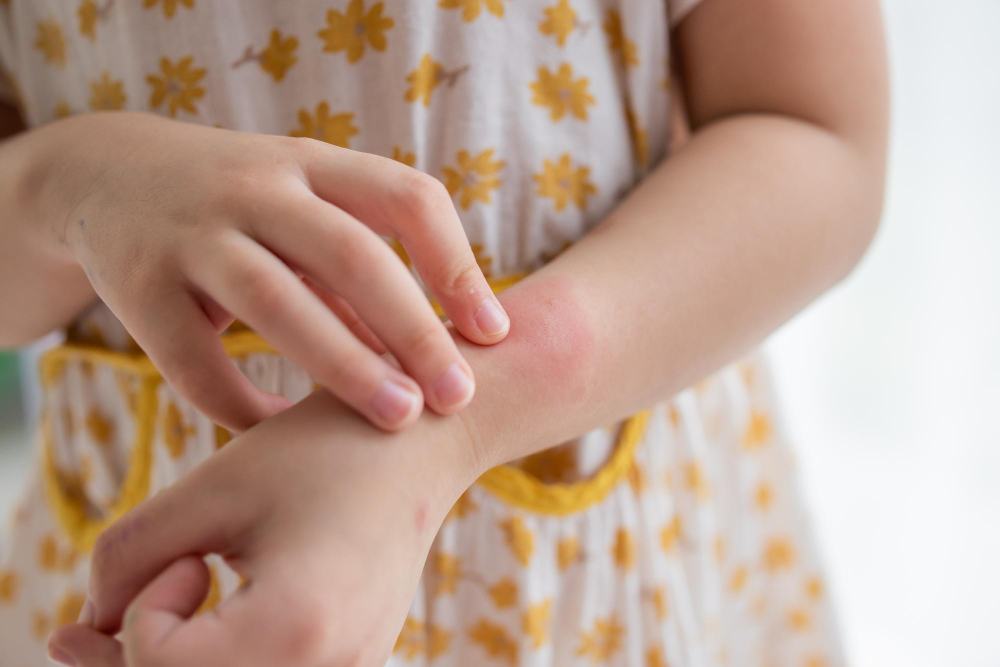
Fungal infections in children are common and can affect the skin, nails, mouth, or scalp. These infections happen when certain fungi grow on or inside the body. While most are not serious, they can cause discomfort. Early treatment helps prevent spreading. In humid climates, fungal infections in children are more frequent. Understanding the signs and causes helps parents keep their kids healthy.
Common Symptoms of Fungal Infections in Children
Fungal infections can look different depending on the type and location. However, many share similar signs. For example, you may notice:
Sometimes, children may also feel mild pain or discomfort. If symptoms last more than a few days, it is wise to seek advice.
Causes and Risk Factors
Fungi are tiny organisms found in the air, soil, and on our skin. Usually, they do not cause problems. However, certain factors can increase the risk of fungal infections in children. For instance:
Because children often play in groups, infections can spread easily in schools or playgrounds.
Diagnosis Methods
Doctors can often diagnose fungal infections in children by looking at the affected area. Sometimes, they may gently scrape a small sample of skin or nail. This sample is checked under a microscope or sent to a lab. In some cases, a special light helps spot certain types of fungi. Quick diagnosis means faster relief for your child.
Treatment Options for Kids’ Fungal Infections
Treatment for kids’ fungal infections depends on the type and location. Most skin infections clear up with antifungal creams or powders. For scalp or nail infections, doctors may suggest oral medicines. Always follow the doctor’s instructions. In addition, home care can help:
For oral thrush, rinsing the mouth after meals may help. However, never use over-the-counter medicines without talking to a doctor first.
Prevention Tips and Lifestyle Guidance for Parents
Preventing fungal infections in children is possible with simple steps. For example:
Because prevention is easier than treatment, these habits can protect your child’s health.
When to Consult a Pediatrician
Although many fungal infections are mild, some need medical care. You should consult a pediatrician if:
Early medical advice ensures the right treatment and prevents complications.
Conclusion
Fungal infections in children are common but treatable. With early care and good hygiene, most children recover quickly. However, if you suspect a fungal infection in your child, consult a pediatrician at Sri Ramachandra Children’s & Dental Hospital for personalized advice.