What Is Healthy Weight Gain in Children?
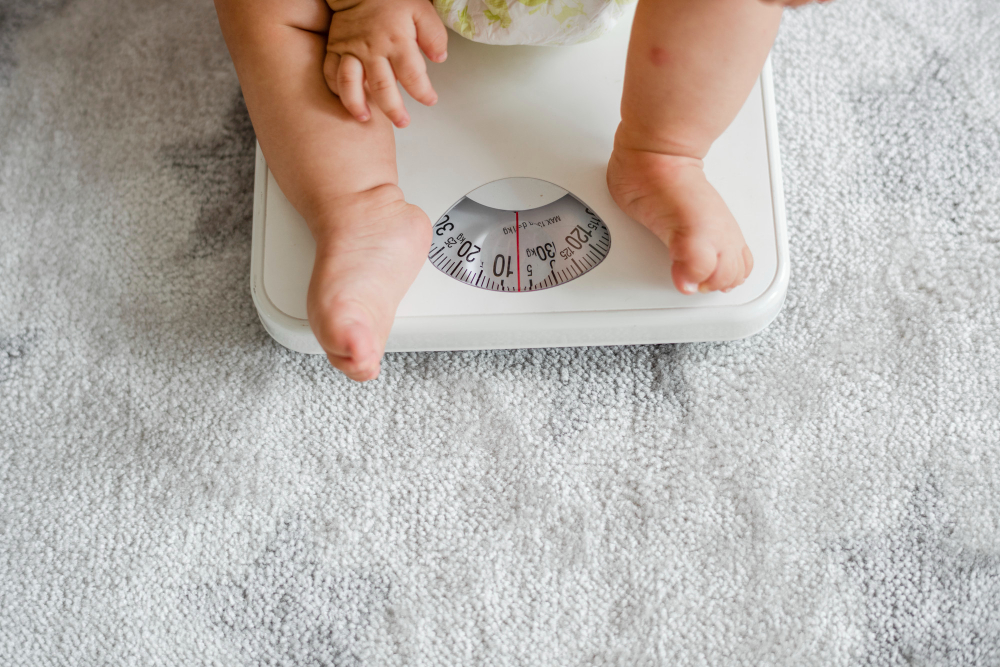
Healthy weight gain in children means gaining weight at a steady and safe rate. For many parents, it can be hard to know what is normal. However, each child grows at their own pace. The Centers for Disease Control and Prevention (CDC) explains that healthy weight gain depends on age, activity, and genetics. In most cases, doctors use growth charts to track changes over time. These charts help spot patterns and make sure children are growing well. If you wonder how to help children gain weight healthily, it is important to focus on balanced nutrition and regular checkups.
Recognizing Normal Growth Patterns
Every child has a unique growth pattern. Some kids grow quickly, while others grow slowly. Still, most children follow a curve on the growth chart. For example, a child may be small but still healthy if they stay on their curve. According to the World Health Organization (WHO), growth charts show how children compare to others of the same age and sex. If your child drops or jumps across many lines on the chart, it may be a sign to talk to a doctor. Yet, small changes are often normal. Growth spurts can also change weight and height quickly.
Causes of Slow Weight Gain in Children
Sometimes, children do not gain weight as expected. There are many reasons for slow weight gain. For instance, some children are just naturally smaller. However, other causes may include:
Because slow weight gain can have many causes, it is important to watch for other signs. If you notice changes in energy or mood, let your doctor know. Early support can help children grow well.
Signs of Healthy Growth
Not all children grow at the same rate, but there are signs of healthy growth in kids. For example, children who are growing well usually:
Even though some children are smaller or larger than others, steady progress is key. If you are unsure, your child’s doctor can help explain what is normal for your child.
Nutrition Tips for Supporting Healthy Weight Gain
Nutrition for children’s weight gain is very important. Because children need extra calories to grow, healthy foods matter. Here are some tips to help support healthy weight gain in children:
Because every child is different, you may need to adjust these tips. If you have questions about how to help children gain weight healthily, ask your doctor or a dietitian for advice.
When to Seek Medical Advice
Sometimes, healthy weight gain in children does not happen as expected. If you notice any of the following, talk to your child’s doctor:
Because early care can make a big difference, do not wait if you are worried. Your doctor can check for any health problems and guide you on the best steps for your child’s growth.