
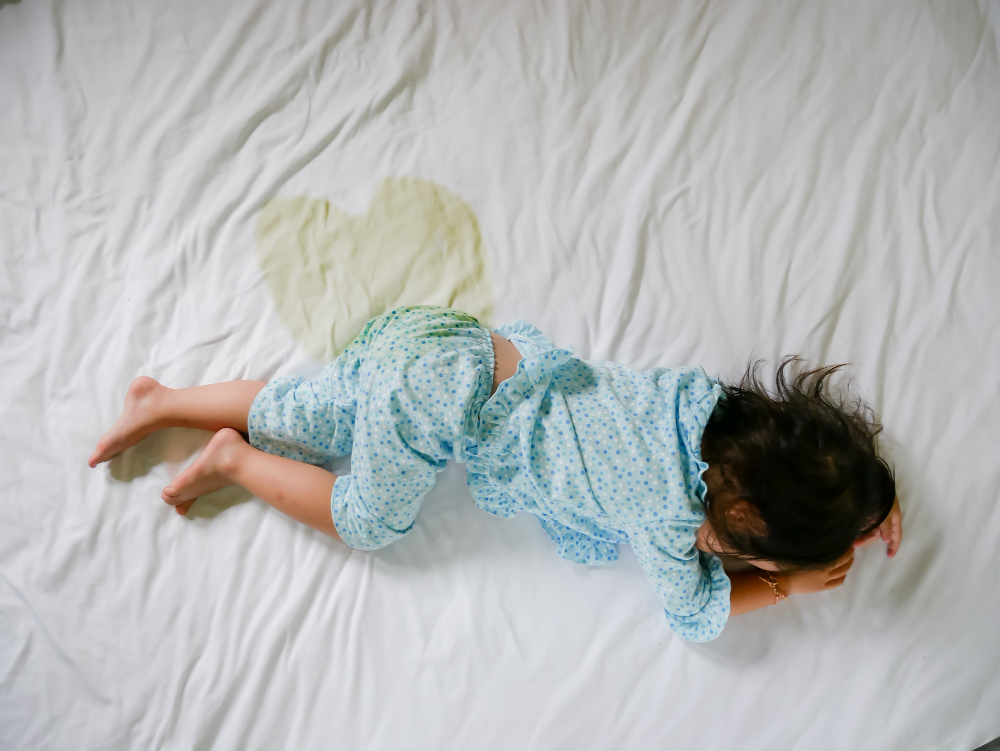
What is Bedwetting?
Bedwetting, also called nocturnal enuresis, means a child wets the bed during sleep. Many parents worry when their child has nighttime wetting. However, bedwetting in children is common, especially in kids under seven. For most, it is not a sign of a serious problem. Still, it can cause stress for both children and parents.
Common Symptoms of Bedwetting
Bedwetting usually happens at night while the child is asleep. But, some children may also wet during naps. Here are common signs:
In addition, some children may feel upset or ashamed. However, it is important to reassure them that they are not alone.
Causes of Bedwetting in Children
There are many reasons why a child may wet the bed. For example, some children have a small bladder or produce more urine at night. Other possible causes include:
Most often, bedwetting is not caused by laziness or bad behavior. Also, it is rarely due to a serious medical problem. According to the American Academy of Pediatrics, up to 15% of children age five still wet the bed.
How Bedwetting is Diagnosed
Doctors usually diagnose bedwetting by asking about your child’s health and habits. They may also ask about family history. In some cases, the doctor will do a physical exam or ask for a urine test. This helps rule out infections or other problems. However, most children do not need special tests.
Effective Treatments and Solutions
There are many ways to help children stop bedwetting. Treatment depends on the child’s age and needs. Some common nighttime wetting solutions include:
For example, bedwetting alarms have helped many children. However, they may take several weeks to show results. Always talk to your doctor before starting any treatment.
Tips for Parents: Supporting Your Child
Bedwetting can be stressful for families. However, your support can make a big difference. Here are some tips:
In addition, remind your child that many kids go through this. With time and support, most children outgrow bedwetting.
Preventing Bedwetting: Practical Advice
While not all cases can be prevented, some steps may help reduce nighttime wetting:
Also, talk to your child’s doctor about local support groups or resources in your area.
When to See a Pediatrician
Most children outgrow bedwetting on their own. However, you should see a pediatrician if:
In these cases, a doctor can check for medical problems and suggest the best bedwetting treatment.
For personalized advice on managing bedwetting, consult a pediatrician at Sri Ramachandra Children’s & Dental Hospital, Guntur. Early support can help your child feel confident and secure.