What Is Constipation in Children?
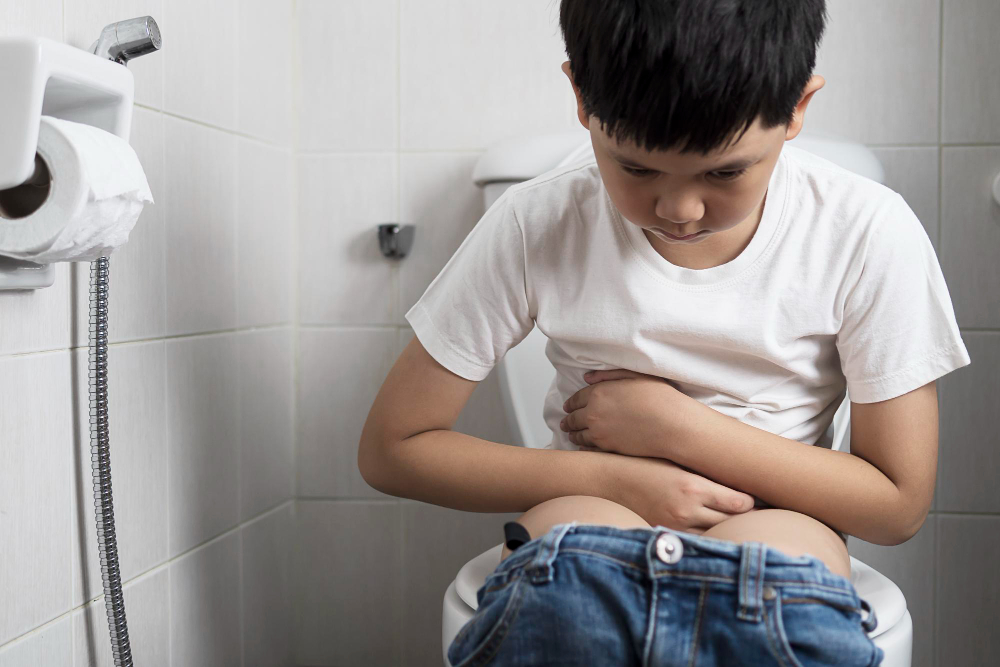
Constipation in children means having fewer bowel movements than usual or passing hard, dry stools. Often, kids may feel pain or strain when trying to go. The causes of constipation in children can be different from those in adults. For parents, it is important to know what signs to look for. Usually, a child is considered constipated if they have less than three bowel movements in a week. Sometimes, children may also avoid going to the bathroom because it hurts. This can make the problem worse.
Common Causes of Constipation in Children
Many things can lead to childhood constipation. Understanding these causes helps parents know why kids get constipated. Here are some common reasons:
Risk Factors and Triggers
Some children are more likely to get constipated than others. For example, kids who do not like fruits or vegetables may be at higher risk. In addition, children who are less active may also have more trouble. Here are some common risk factors:
Because these triggers are common, it is important for parents to watch for signs early. Early action can help prevent constipation in kids from becoming a bigger problem.
When to See a Doctor
Most cases of constipation in children are mild and can be managed at home. However, sometimes you should seek medical help. For example, see a doctor if your child:
Because some symptoms may point to a more serious problem, it is always better to be safe. Your child’s doctor can check for underlying causes and suggest the best treatment.
Prevention Tips for Parents
There are many ways to help prevent constipation in children. With a few simple steps, you can support your child’s digestive health. Here are some helpful tips:
Because small changes can make a big difference, try to build these habits into your child’s daily routine. If you have concerns, always ask your pediatrician for advice.
If your child is experiencing constipation, consult a pediatrician at Sri Ramachandra Children’s & Dental Hospital Guntur for personalized advice.