What is Dengue in Children?
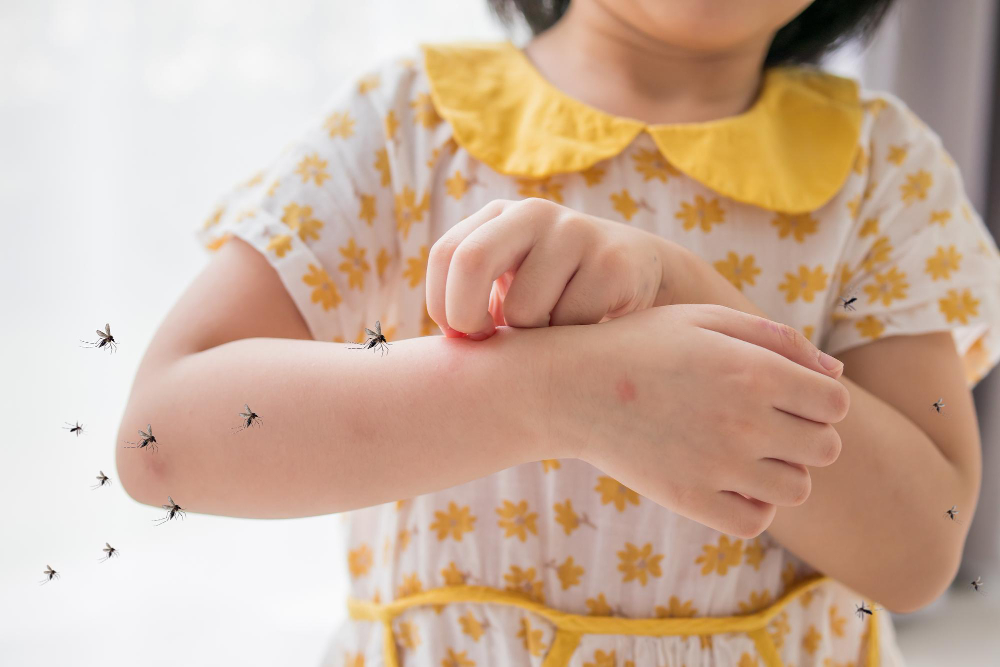
Dengue in children is a viral infection spread by mosquitoes. It can cause mild to severe illness. In many places, dengue is common during the rainy season. Children are at higher risk because they play outdoors. Early care is important. Parents often worry about signs of dengue in kids. Knowing the symptoms and how to prevent dengue in children can help keep your family safe. Dengue fever treatment for children is different from adults, so it is important to understand the basics.
Common Symptoms of Dengue in Children
Dengue symptoms in children can appear 4 to 10 days after a mosquito bite. Sometimes, the signs are mild and look like the flu. However, some children may get very sick. Watch for these symptoms:
Sometimes, children may not show all these symptoms. But if your child has a high fever and any of these signs, seek medical help.
Causes and How Dengue Spreads
Dengue is caused by the dengue virus. The virus spreads through the bite of infected Aedes mosquitoes. These mosquitoes bite mostly during the day. They breed in clean, still water. For example, water in buckets, flower pots, or old tires can be a breeding spot. If a mosquito bites a person with dengue, it can carry the virus and infect others. Therefore, stopping mosquito breeding is key to prevention.
How Dengue is Diagnosed in Children
Doctors use several steps to diagnose dengue in children. First, they ask about symptoms and recent travel. Next, they do a physical exam. If dengue is suspected, blood tests are needed. These tests check for the dengue virus or antibodies. Sometimes, doctors also check blood counts. Low platelets and white blood cells can be a sign of dengue. Early diagnosis helps prevent severe illness. According to the World Health Organization (WHO), lab tests confirm the diagnosis.
Treatment Options for Children with Dengue
There is no specific medicine to cure dengue. However, most children recover with proper care. Doctors focus on relieving symptoms and preventing complications. Treatment may include:
In some cases, children may need to stay in the hospital. This is more likely if they have severe symptoms or dehydration.
Home Care and Lifestyle Tips
At home, you can help your child feel better. For example, make sure your child rests and drinks fluids often. Offer water, clear soups, or oral rehydration solutions. Keep the room cool and comfortable. You can use a cool, damp cloth to lower fever. However, always follow your doctor’s advice. If your child’s symptoms get worse, seek medical help right away.
Prevention: Protecting Children from Dengue
Preventing mosquito bites is the best way to stop dengue. Here are some tips to protect your child:
Additionally, teach children to avoid playing near water puddles or containers. Community efforts, such as cleaning public spaces, also help reduce mosquito breeding.
When to See a Doctor
Sometimes, dengue can become severe. Watch for these warning signs:
If your child shows any of these signs, seek medical care immediately. Early treatment can save lives.
If your child shows symptoms of dengue, consult a pediatrician at Sri Ramachandra Children’s & Dental Hospital for expert care and guidance.