
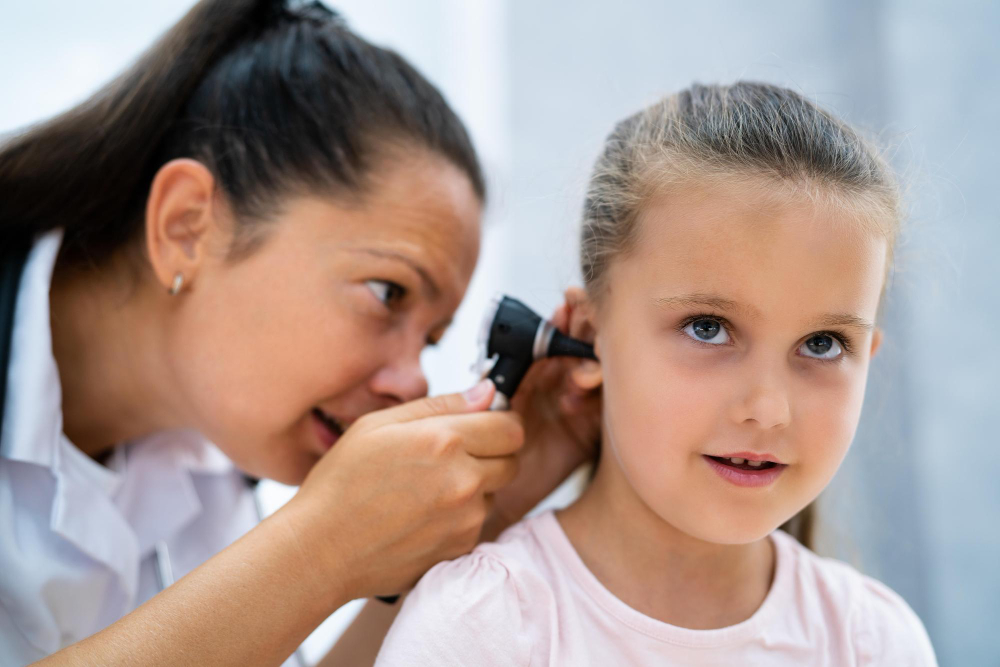
Ear infections in children during monsoon are common and can worry many parents. The rainy season brings more moisture and humidity, which can increase the risk of ear problems. Because children have smaller ear tubes, they are more likely to get infections, especially when the weather is wet. In this blog, you will learn about the symptoms, causes, prevention, and treatment of ear infections in children during monsoon. This information will help you keep your child healthy and comfortable all season.
Common Symptoms of Ear Infections in Children
It is important to spot ear infections early. Often, children may not be able to explain their pain. However, parents can look for these signs:
Because these symptoms can also be caused by other illnesses, it is important to watch closely during the rainy season.
Causes of Ear Infections During Monsoon
During monsoon, ear infections in children become more common. But why does this happen? Here are some reasons:
Because children’s ear tubes are shorter and more horizontal, germs can reach the middle ear more easily. As a result, infections can develop quickly during the rainy season.
Diagnosis
If you think your child has an ear infection, a doctor can help. Usually, the doctor will:
Sometimes, the doctor may gently blow air into the ear to see if the eardrum moves. If your child has severe pain, high fever, or fluid coming from the ear, seek medical help right away. Early diagnosis can prevent complications.
Treatment Options
Treatment for ear infections in children during monsoon depends on the cause and severity. Most mild infections get better on their own. However, doctors may suggest:
Do not use cotton swabs or try to clean deep inside the ear. This can make things worse. Always follow your doctor’s advice for the best results.
Prevention Tips for Parents
Because prevention is better than cure, here are some tips to lower the risk of ear infections in children during monsoon:
With these steps, you can help protect your child from ear infections during the rainy season.
When to Consult a Pediatrician
Sometimes, ear infections need medical care. You should see a pediatrician if your child:
Early treatment can prevent hearing loss or other problems. Therefore, do not wait if you notice these warning signs.
Frequently Asked Questions
1. Can ear infections in children during monsoon be prevented completely?
While you cannot prevent all infections, good hygiene and keeping ears dry can lower the risk.
2. Are ear infections in children during monsoon serious?
Most ear infections are mild and clear up with treatment. However, some can lead to hearing problems if not treated early.
3. Should I give my child antibiotics for every ear infection?
No, not all ear infections need antibiotics. Sometimes, the infection is viral and will heal on its own. Always follow your doctor’s advice.
4. Can swimming during the rainy season cause ear infections?
Yes, swimming in dirty or untreated water can increase the risk. Make sure your child’s ears are dry after swimming.
5. How long does it take for a child to recover from an ear infection?
Most children feel better in a few days. However, some may need a week or more, depending on the infection and treatment.
If your child shows signs of an ear infection during monsoon, consult a pediatrician at Sri Ramachandra Children’s & Dental Hospital Guntur for personalized advice and care. Early help can make a big difference in your child’s comfort and health.