What Is Iron Deficiency Anemia in Children?
Iron deficiency anemia in children happens when a child does not have enough iron in their body. Iron is important because it helps make hemoglobin, which carries oxygen in the blood. Without enough iron, the body cannot make enough healthy red blood cells. As a result, children may feel tired or weak. This condition is common, but it can be treated. Early detection is key, so parents should know the signs of iron deficiency in kids.
Common Symptoms
Children with iron deficiency anemia may not always show clear signs. However, some symptoms are more common. For example, you may notice your child:
Sometimes, children may also get more infections. If you notice any of these signs of iron deficiency in kids, it is important to talk to a doctor.
Main Causes
There are several reasons why children may develop iron deficiency anemia. Most often, it happens because they do not get enough iron from their diet. For instance, children who drink a lot of cow’s milk may not eat enough iron-rich foods. In some cases, blood loss from the stomach or intestines can also cause anemia. Growing quickly, especially during infancy or teenage years, increases the need for iron. Babies born early or with low birth weight are at higher risk as well.
How Is It Diagnosed?
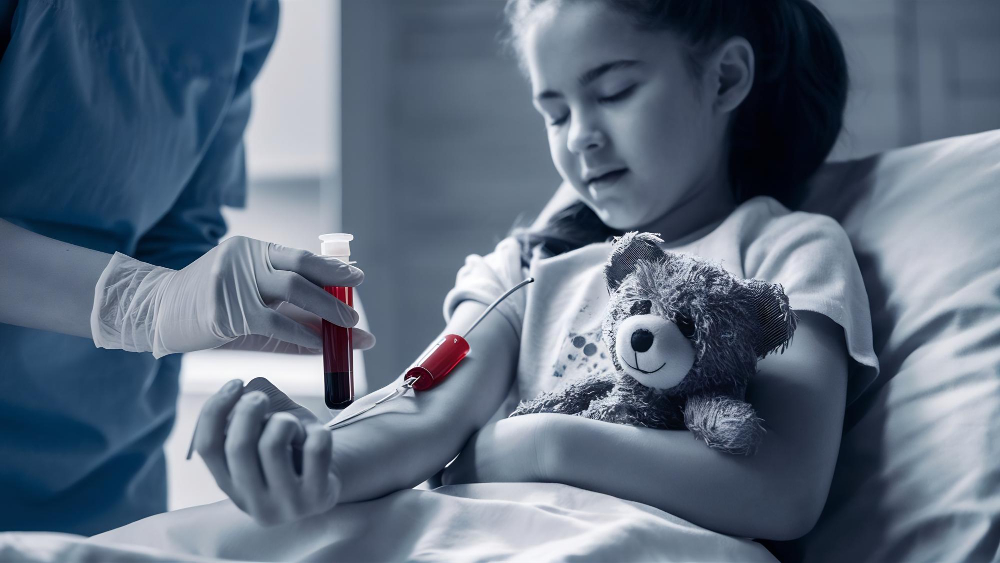
Doctors use a few simple tests to check for iron deficiency anemia in children. First, they ask about your child’s symptoms and diet. Next, they may do a physical exam. After that, a blood test checks the number of red blood cells and the amount of hemoglobin. Sometimes, doctors order more tests to find the cause. Early diagnosis helps start treatment for childhood anemia sooner.
Treatment Options
Treatment for childhood anemia depends on the cause and how severe it is. Usually, doctors recommend:
Sometimes, if anemia is severe, a child may need more tests or special care. However, most children improve with simple changes. Always follow your doctor’s advice when giving supplements.
Prevention Tips for Parents
Parents can help prevent anemia in children by making a few changes at home. For example, you can:
With these steps, you can lower the risk of iron deficiency anemia in children.
When to See a Doctor
If your child shows signs of iron deficiency in kids, do not wait. For instance, if they seem very tired, pale, or have trouble breathing, contact your doctor. Early treatment can prevent problems with growth and learning. In addition, regular check-ups help catch anemia before it becomes serious.
If you suspect your child has iron deficiency anemia, consult a pediatrician at Sri Ramachandra Children’s & Dental Hospital, Guntur for personalized advice.